
Microneedling: the power behind natural skin improvement
More and more skin professionals call it an indispensable basic treatment in their practice: microneedling. And that is not without reason. With this technique (without heat, but with impressive biostimulation) you can safely stimulate the skin from within. From acne scars to fine lines, from pigment spots to a dull skin: microneedling offers an effective solution for countless indications.
But what exactly happens in the skin? What makes medical microneedling different from cosmetic variants or, for example, RF microneedling? And how do you combine it smartly with other treatments in your clinic?
In this blog we take you into the world of microneedling – from cellular level to practical results.

What does microneedling do at the cellular level?
During a microneedling treatment, controlled microchannels are created in the skin. This mechanical stimulation activates a natural wound healing process in three phases:
- Inflammatory phase – Growth factors such as PDGF, VEGF and TGF-β are released and attract immune cells to clean up damaged cells.
- Proliferation phase – Fibroblasts produce new collagen type III, elastin and GAGs. Angiogenesis occurs: new blood vessels improve blood flow.
- Remodeling phase – Collagen type III is converted to type I (stronger and more stable), making the skin firmer, smoother and visibly healthier.
There are also many gains at the cellular level: keratinocytes and melanocytes are regulated, stem cells are activated and mitochondria produce more ATP, essential for skin renewal and repair.

For which indications is microneedling suitable?
Microneedling has a particularly wide range of applications:
- Acne vulgaris, comedones, acne tarda
- Large pores, dull or dehydrated skin
- keratosis pilaris
- Fine lines, skin sagging en skin aging
- Pigment disorders in melasma
- Scars (acne, post-operative, traumatic)
- Vitiligo and keloid formation (physician indication)
In addition, microneedling is an excellent preparation for laser treatments: the skin becomes healthier, has better blood circulation and is therefore more responsive.
Medical vs. Cosmetic Microneedling
The difference between medical and cosmetic microneedling is not so much in the technique or the device itself.
What distinguishes medical microneedling is the combination with additional applications such as PRP (platelets from your own blood) or botulinum toxin. These options may only be applied by doctors.
Without these additions, there is no substantive difference from cosmetic microneedling. It is therefore about the combination of techniques, not the device or needle length alone. Both approaches can yield beautiful results, as long as the treatment is performed carefully and professionally.
Pen or roller?
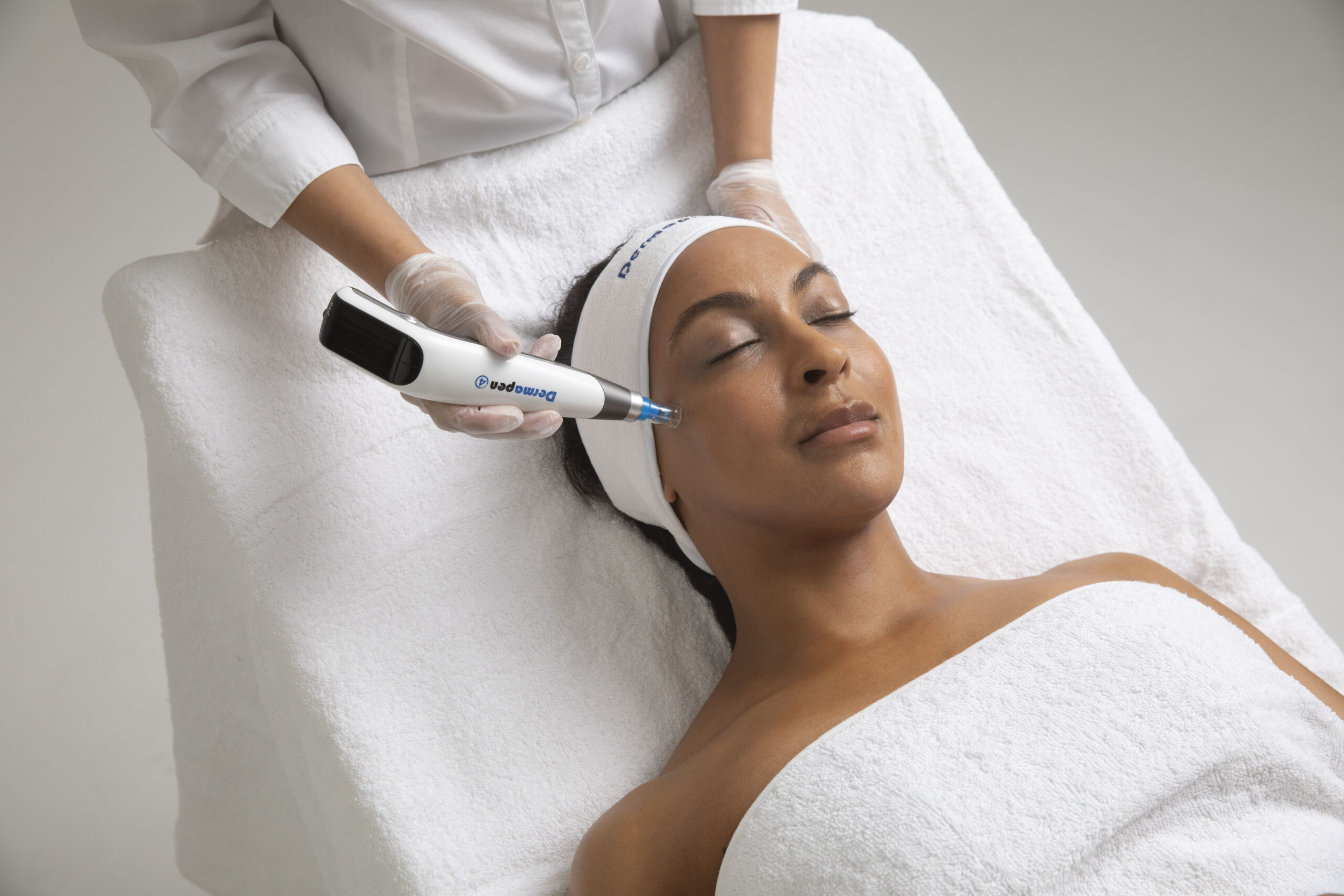
A professional microneedling pen, such as the Dermapen 4 , uses perpendicular, fast-oscillating needles. This prevents unnecessary skin trauma, promotes even penetration, and ensures better results than a traditional dermaroller, where the needle penetrates the skin at an angle.
Smart combination: peels, LED and exosomes
Microneedling is not only effective on its own, but can also be combined with other techniques for even greater results:
The specially developed Uber Peel Pro (PHA) or Uber MD (15% CCA) can be used directly after microneedling. They enhance the result without additional recovery time, ideal for those who want to work specifically on pigment or structure.
Use LED beforehand for poorly perfused or dull skin, or after treatment to shorten downtime and accelerate recovery.
Exosomes are microscopic signaling molecules that stimulate regeneration at the cellular level. The synthetically developed exosomes in our MG serums are based on a younger form of mesenchymal stem cells (MSCs) and are even seen as a more potent and effective replacement for PRP.
Curious about exactly how this works, the difference compared to PRP, and how to use it in practice? Watch the webinar for an explanation, examples, and time to ask all your questions.
Safety, hygiene and quality
A reliable microneedling pen must meet strict requirements. Think of:
- CE marking, ISO13485 certification, FDA approval (for export outside EU)
- High oscillation speed and constant force
- Sterile, disposable needle cartridges
- Ergonomic and hygienic design
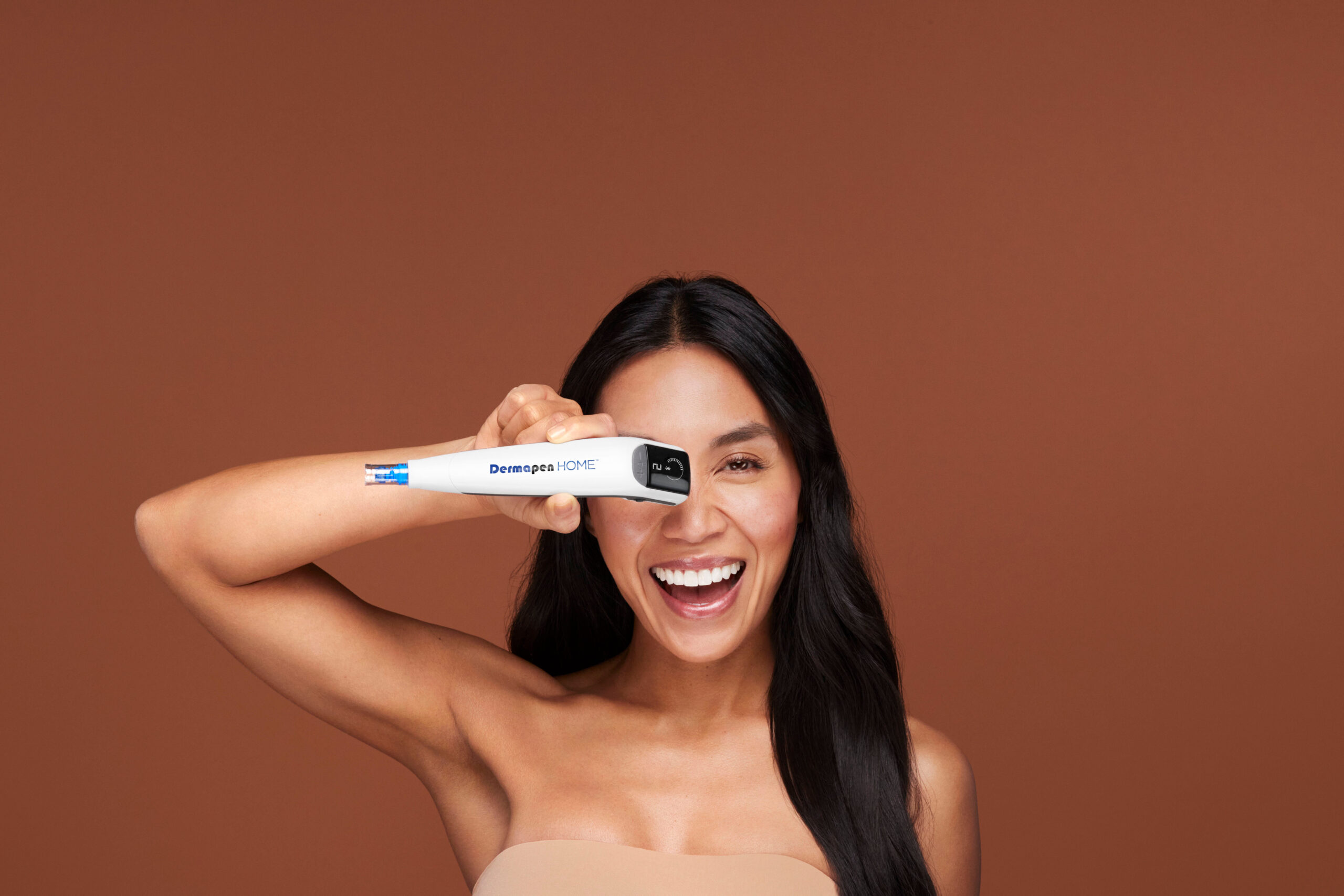
The Dermapen 4 meets all these requirements and is the most widely used medical microneedling pen worldwide. For home use there is the Dermapen HOME (CE, ISO).
Hygienic working is essential: gloves, clinical prep, sterile cartridges and a well-cleaned space are the basis. Preferably use medical serums such as the MG collection from Dermaceuticals for optimal absorption and skin support.
Microneedling or RF microneedling?
Although this blog focuses on traditional microneedling, RF microneedling also exists . With this method, radiofrequency energy is delivered into the deeper layers of the skin via the needles. This results in:
- Deeper stimulation without additional skin trauma
- Increased collagen production and skin tightening
- More efficient scar treatment
- Faster results with fewer sessions
Would you like to know if RF microneedling is a better fit for your practice or target group? Then read more about the Exion system : our advanced RF microneedling solution.
Microneedling or fractional laser?
Microneedling and fractional laser therapy are both proven effective methods for skin improvement, each with their own strengths.
Microneedling works without heat and causes minimal damage to the upper skin layers. This makes it very suitable for all skin types, including dark skin (Fitzpatrick IV–VI), and reduces the risk of post-inflammatory hyperpigmentation (PIH). In addition, recovery time is often shorter.
Fractional lasers, on the other hand, work with controlled heat and can penetrate deeper into the skin. This makes them very effective for stubborn indications such as deep scars, wrinkles, and severe skin sagging. The treatment typically requires slightly longer recovery time, and for thicker skin types, it is especially important to be mindful of the laser type and the correct settings. With systems like the Frax Pro , this can be done in a safe and controlled manner.
In short: both techniques have their value. It is all about the right indication, skin type and treatment strategy. In some cases, a combination of both can even yield the best result.
Read more about fractional lasers here
Microneedling: a smart basis for every practice
Microneedling is safe, versatile and proven effective. From a radiant glow to serious skin improvement, you can go almost anywhere with it as a skin therapist, doctor or beautician. Especially in combination with other treatments, it forms the basis of healthy, resilient skin. And: do you want to go one step further? Then RF microneedling may be your next investment.
Want to know more about microneedling?
In our free webinar we will take you from the origins of microneedling to the latest technological developments; such as the safe needle modules, the role of digital control, and the influence on wound healing and collagen production. You will receive an explanation from a guest expert, practical tips from the clinic and space to ask your questions. It also offers the opportunity to look back.
Missed the webinar? Leave your details below to watch the replay or receive more information.